
Beach volleyball courses for children and teenagers in Naples
From age 6 through Under 18, programs designed to guide children and teenagers as they discover and grow in beach volleyball, respecting age, motor development and level of experience.
Training available in English
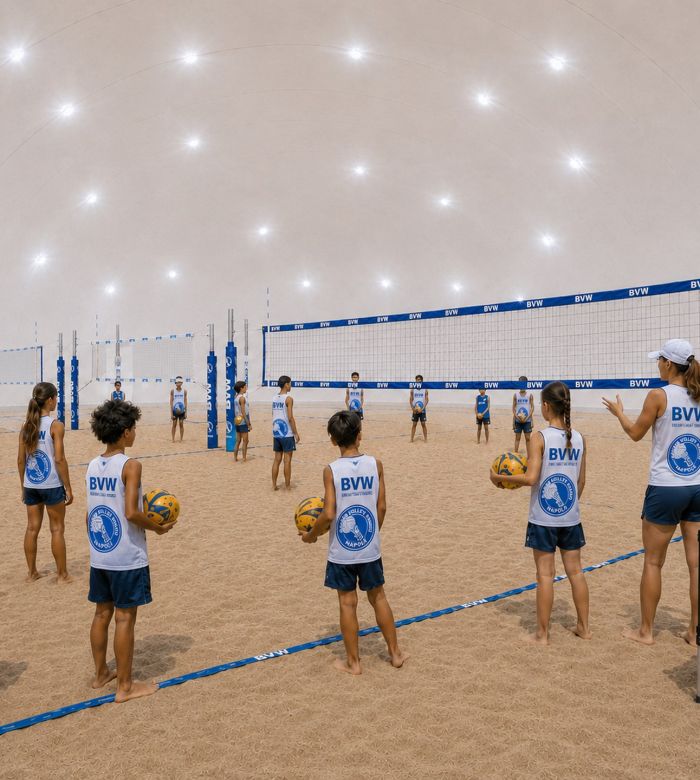
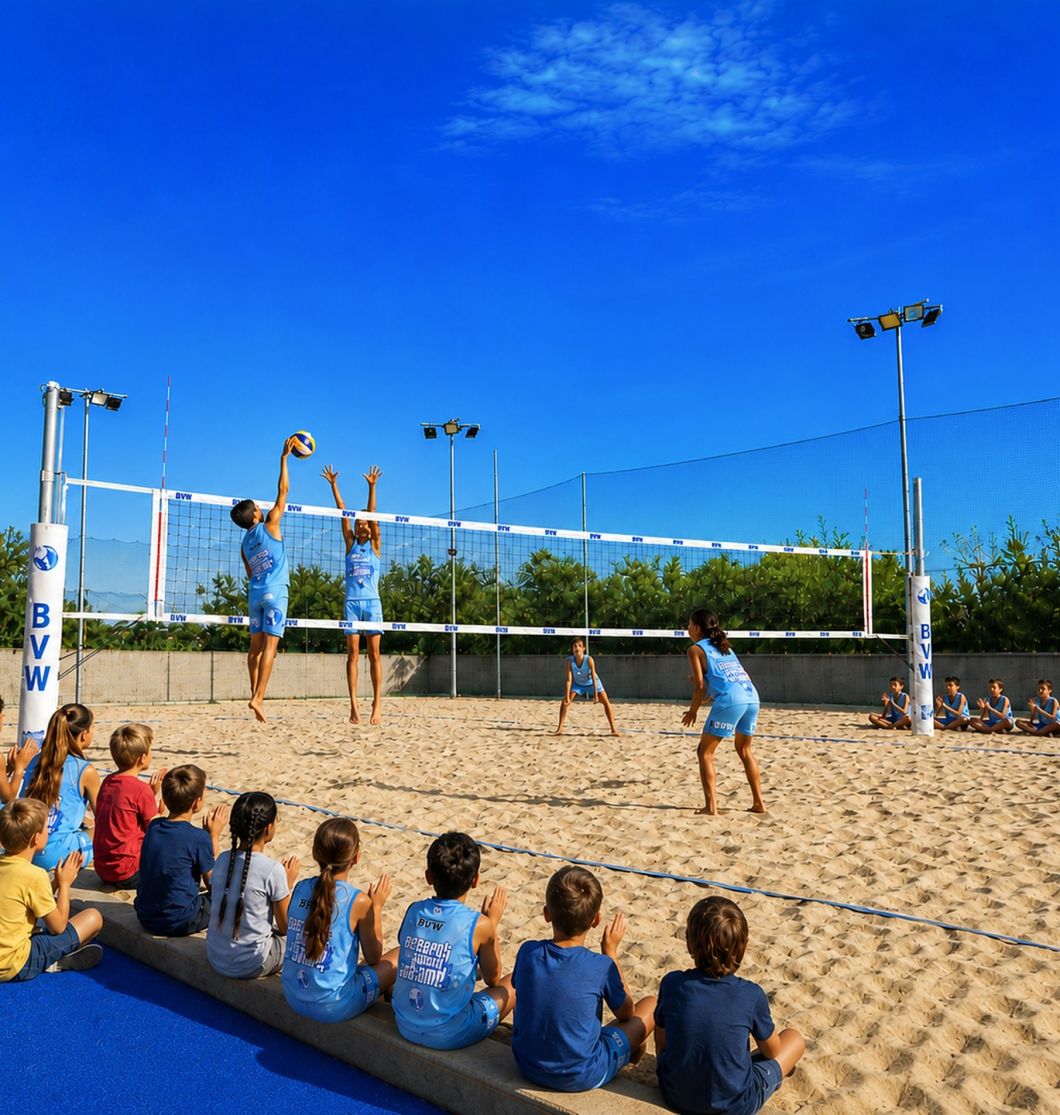
Learn through play. Grow through training.
In the early years, sport should first and foremost engage, entertain and create the desire to come back onto the court. As athletes grow, the pathway gradually evolves toward increasingly specific technical, tactical and physical work.
BVW Academy supports this development through groups organized by age and level, moving from Kids programs to Under 14, Under 16 and Under 18, with the opportunity to approach competition for those who want to experience that side of the sport as well: from a first tournament as a learning experience to more structured competitive pathways.
Beach volleyball is taught from the very beginning in its own identity: movement on sand, individual technique, collaboration with a partner and a progressive introduction to the 2vs2 format.
6+
It starts with the youngest players
KIDS → UNDER 18
A pathway that grows with the athlete
2vs2
Toward authentic beach volleyball
Sand is part of the training
Running, jumping, changing direction and maintaining balance on sand require continuous adaptation. During development, this creates a motor experience especially rich in stimuli for coordination, balance and body control.
Sand is a deformable surface: during movement it absorbs and dissipates energy differently from a rigid gym floor. Biomechanical studies show that, under certain jumping and landing conditions, ground-reaction-force peaks are lower, while the instability of the surface requires continuous adaptation and stabilization.
It is precisely this combination — lower surface rigidity and a greater demand for movement control — that makes activity on sand particularly useful for motor development during growth.
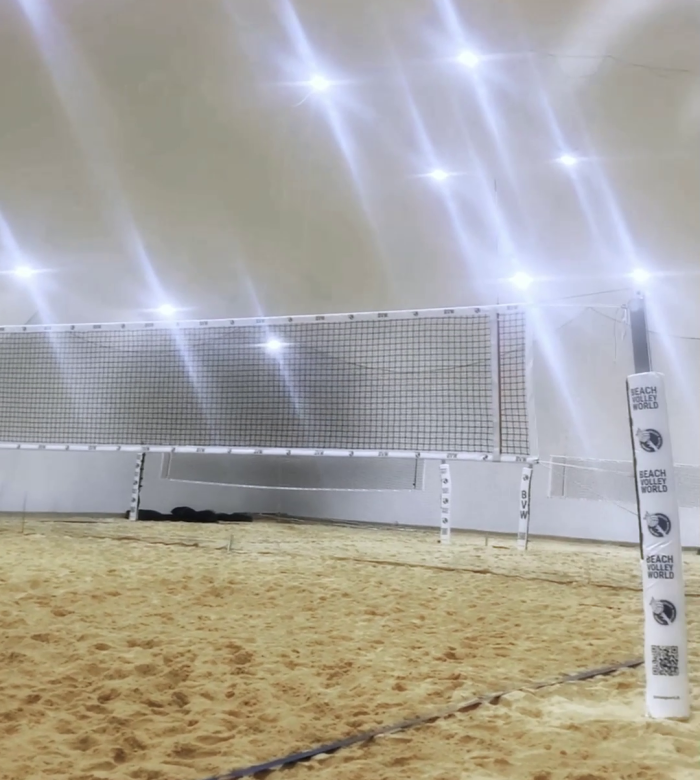
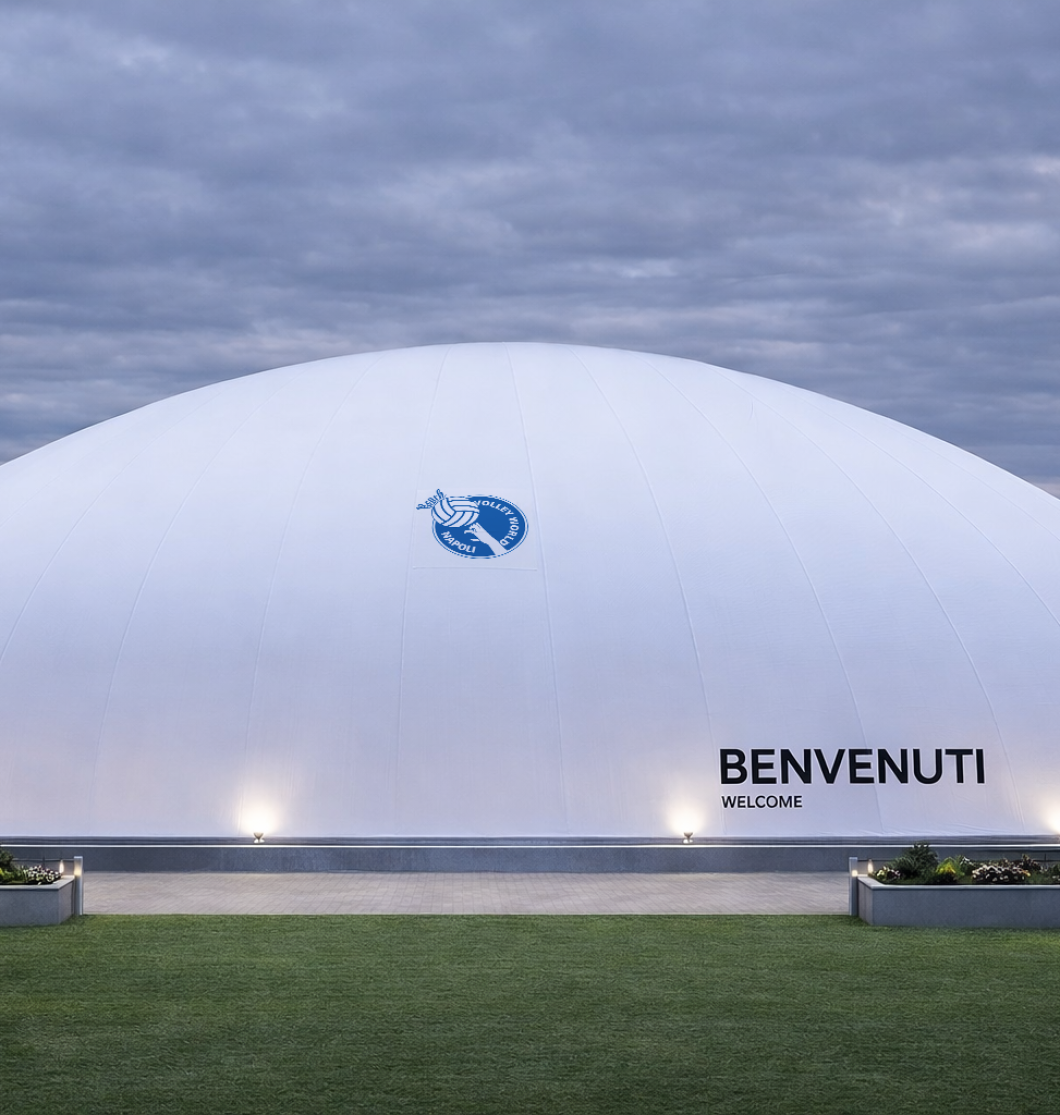
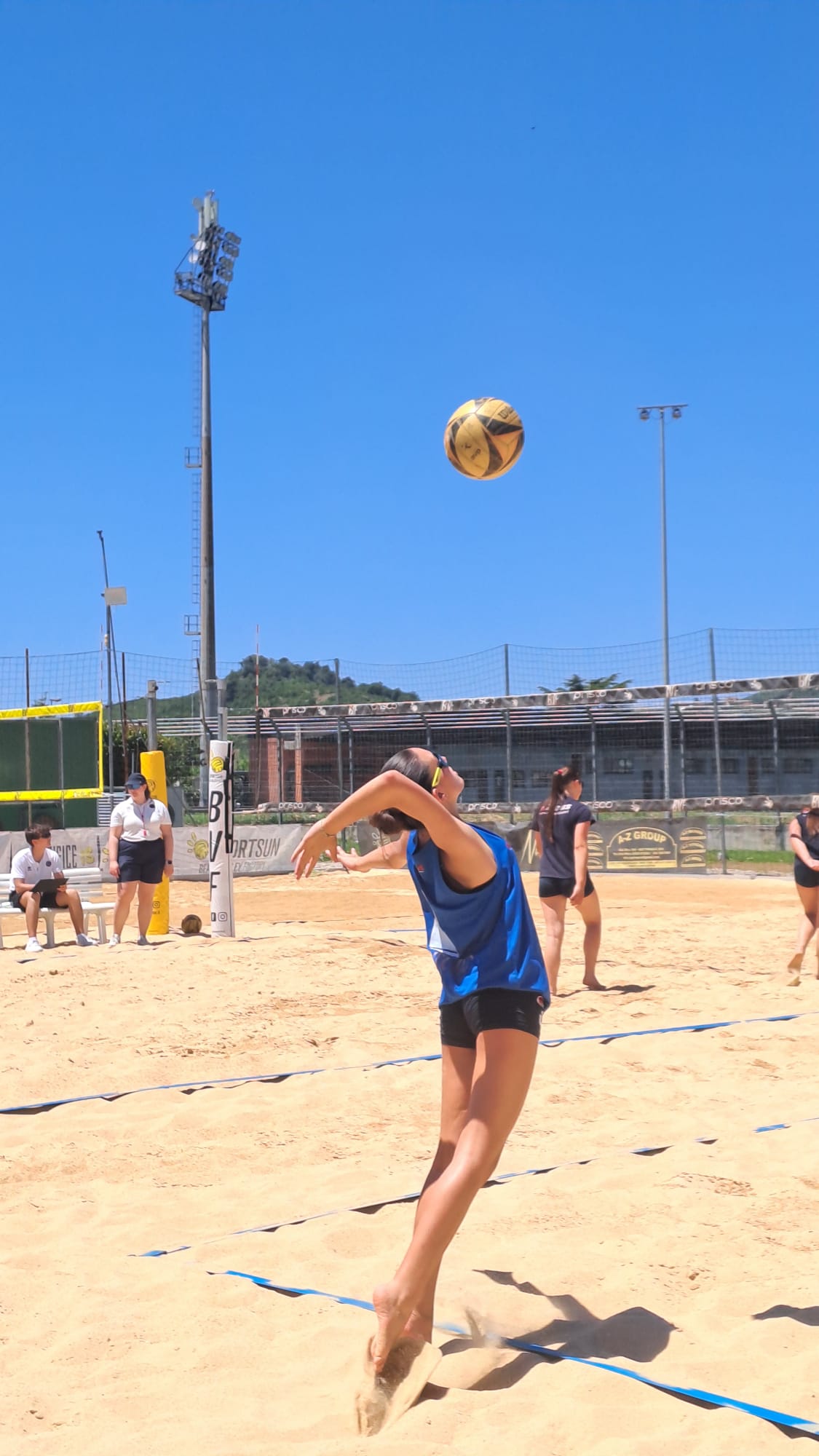
Learning to make your own decisions, without being on your own.
In 2vs2 beach volleyball, every athlete is continuously involved. There is no bench where you wait for your turn and, during play, every action requires you to observe, choose and take responsibility for your decisions.
This makes the court a place to train not only technique and movement, but also autonomy, decision-making, confidence in your choices and the ability to manage mistakes.
And yet you are never truly alone. On your side of the court there is always a partner to communicate with, organize with, support and find solutions together. In 2vs2, individual performance and pair performance are inseparable.
AUTONOMY
Learn to read a situation and choose what to do.
RESPONSIBILITY
Every athlete is continuously involved in the game and its decisions.
CONFIDENCE
Believe in your abilities and learn to manage mistakes as well.
COLLABORATION
Communicate, support each other and build the game together with your partner.
It is one of the most fascinating characteristics of beach volleyball: combining the personal responsibility typical of individual sports with the collaboration and social dimension of team sports.
From the first steps on sand through Under 18
KIDS8 — Discover
A first encounter with sand and beach volleyball. Play, movement, coordination and familiarity with the ball build the foundations of the sporting pathway.
KIDS11 — Learn
Play gradually becomes more structured: motor and technical skills develop, and the specific dynamics of beach volleyball are introduced step by step.
UNDER 14 — Build
Individual technique, movement on sand, reading situations and the first more structured elements of 2vs2 play.
UNDER 16 — Grow
Technical and tactical work becomes more specific, awareness of pair play increases and physical preparation progressively takes on a greater role.
UNDER 18 — Evolve
A complete pathway of technique, tactics, physical preparation and 2vs2 play, adapted to the athlete's goals and open both to recreational practice and competition.
Age groups guide the pathway, but they do not replace technical assessment. The BVW staff organizes groups by considering experience, development and individual characteristics as well, in order to create training environments that are as balanced and effective for growth as possible.
The tournament is part of the pathway
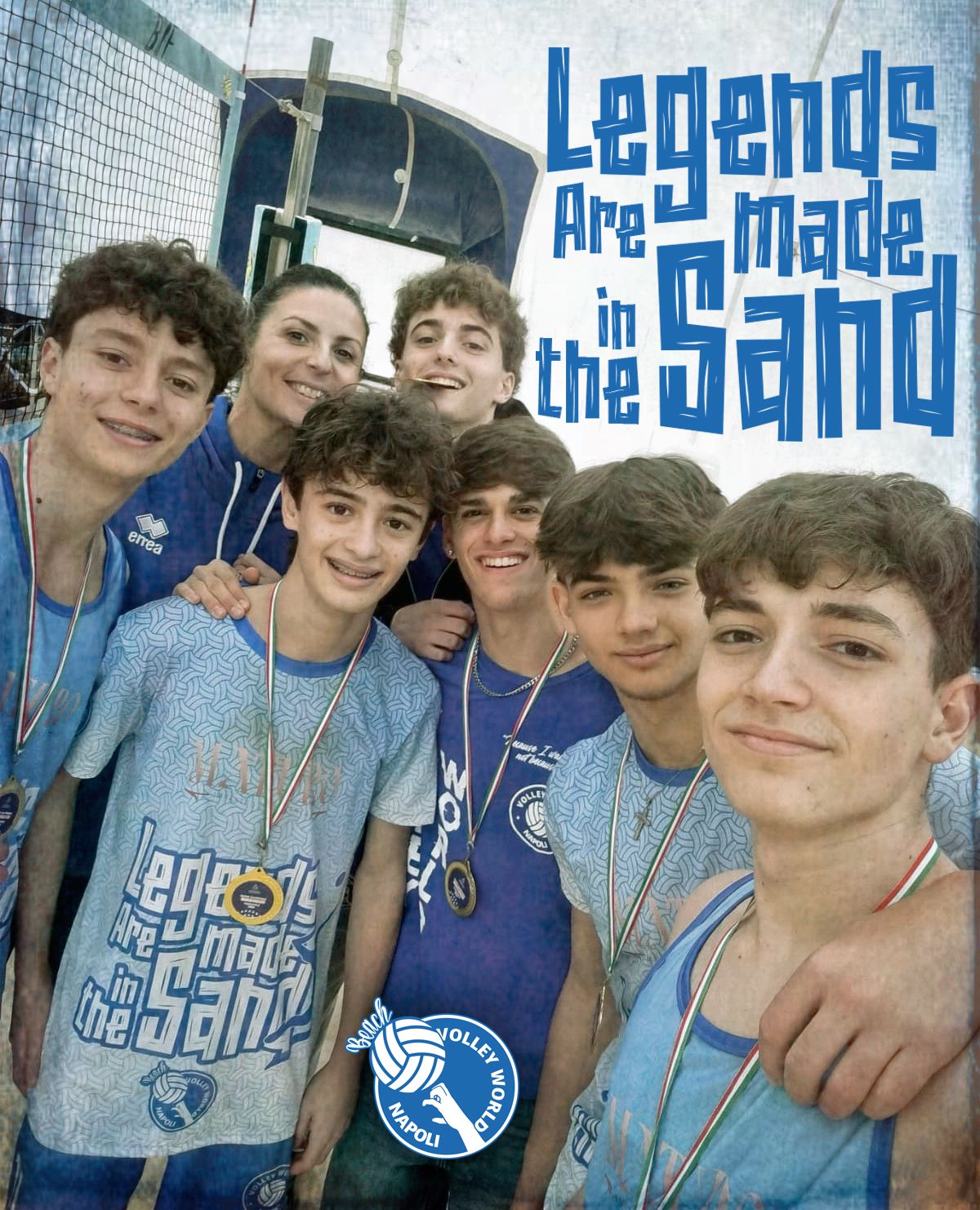
Competing does not necessarily mean chasing a result. For children and teenagers, a competition can first of all be an opportunity to gain experience, face peers and learn to manage emotions, difficulties and satisfaction that training alone cannot fully reproduce.
That is why, at BVW, competition is not reserved only for the most advanced athletes. When it is appropriate for the athlete's age and pathway, taking part in a tournament can become part of their sporting development, whatever their starting level.
As they grow, each athlete can choose how much space to give competition: from a first experience enjoyed simply for taking part, through regional and national youth circuits, to a more structured competitive pathway.
TEST YOURSELF
Discover what it means to play against different opponents and face constantly changing situations.
MANAGE
Experience mistakes, pressure, results and emotions while progressively learning to manage them.
GROW
Turn what happens in competition into useful experience for the next stage of the pathway.
Winning is one possible goal. Learning how to compete is already part of growth.
A pathway built around development
Coaching children and teenagers carries different responsibilities from coaching adults. Age, motor development, technical ability and maturity require appropriate goals, language and working methods.
That is why BVW Junior groups are entrusted to qualified coaches and included in specific programming in which play, learning and sporting progression evolve together with the athletes' age.
The goal is not only to teach beach volleyball, but to build motor, technical, sporting and relational skills over time, while respecting each young athlete's individual pathway.
The best way to start? Step onto the sand.
Book a trial session: your child can meet the group and the coaches, while the staff can identify the most suitable pathway to start from.